Framework

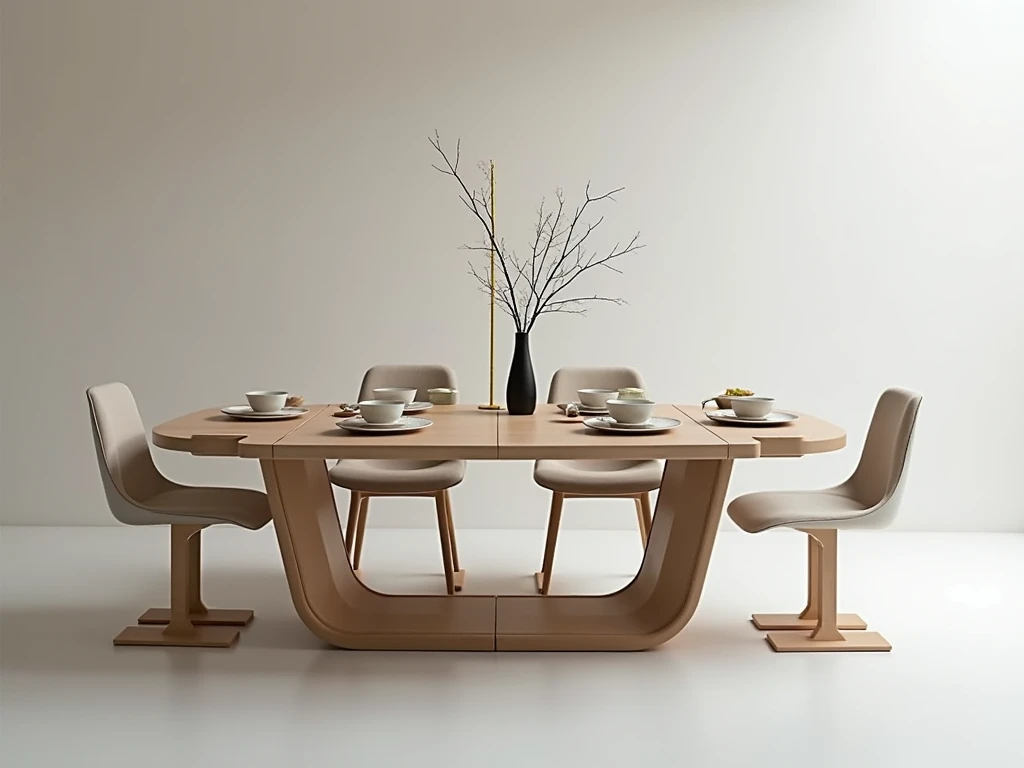
Flexible eating as movable parts on one table

Here, flexibility means you can rotate ingredients while keeping a dependable shape to each meal. You might favour plant-forward plates one season and heartier bowls the next—the geometry and prep rhythm can stay familiar even when the market changes.

Nothing on this page replaces professional advice; it is general lifestyle information meant to inspire planning conversations at home.

Plate Geometry you can repeat week to week.
Pantry Anchors that travel across recipes.
Minimal illustration of a plate with balanced sections
Plants first Protein choice Grains or roots Accent flavours

Deep read

Ideas we return to in long-form worksheets

Each block pairs a short headline with a longer paragraph so you can scan first, then settle into detail when you have a quiet moment.

Plate geometry you can reuse

Picture roughly half the plate for colourful plants, a quarter for protein that matches your preference, and a quarter for grains or starchy vegetables. When asparagus gives way to squash, the geometry stays while the palette shifts. That repetition lowers decision fatigue on weeknights when you mainly need a reliable starting point.

Flavor anchors in the pantry

Choose two signatures—citrus zest and toasted seeds, or miso and rice vinegar—and let them travel across multiple meals. Anchors create continuity so a single herb purchase can dress salads, grain bowls, and quick soups without inventing a new shopping list every Sunday.

Shared tables, individual finishes

Serve roasted components separately when households blend different preferences. The same tray might become a salad for one person and a wrap for another, which can reduce packaging runs and keep conversation centred on the table rather than on conflicting rules.

Texture without complexity

Crisp, creamy, and crunchy notes can come from plants alone when you layer raw and cooked elements. That opens room for playful experiments without leaning on specialty items that clutter the cupboard after one use.

Storage that respects the next day

Glass containers with breathable lids keep cooked grains pleasant when dinner moves earlier or later than planned. Labelling the day you cooked helps honest rotation so food moves through the fridge before it fades.

Pairings

When the week accelerates

These combinations show up in seasonal packets: they are starting points you can simplify further when time disappears.

Weekend batch, weekday remix

Roast mixed roots on Sunday, then dice them into grain bowls, tacos, and brothy soups across three distinct spice profiles so repetition still feels varied.

Label clarity on first try

When you test a packaged product, photograph the ingredient panel once and note how it behaved in your recipes. That builds a personal reference without rereading fine print under store lighting.

Cool-down storage

Let steam escape before sealing cooked greens so they stay vibrant for the lunchbox or the next-night sauté.

Bring questions about your rhythm

Share context in the contact form—commute length, household size, or cooking confidence—so we can suggest article pairings or worksheet angles that align with your schedule rather than a generic template.

Write to the studio